Use cases · Oculon for Budget vs Actuals
Budget vs ActualsExplain the gap. Decide what changes next.
A variance is the start of the conversation. Separate the contributing costs, check the timing, and decide what belongs in the next forecast.
The decision behind the work
Move from a reporting gap to an informed next step.
For FP&A and department owners.
Reconcile the difference
Keep the period, cost scope, and budget comparator the same across the comparison.
Inspect the contribution
Follow the largest categories into their definitions and the owner who can explain their timing.
Update deliberately
Carry a recurring change into the forecast only after reviewing the evidence; retain one-off timing context.
From context to the next move
Put the plan to work.
Keep the inputs, model and review connected around the work in front of you.
Connected inputs
Start with a fair comparison
Keep periods, definitions, and plan versions aligned before reviewing the gap.
Explore connected data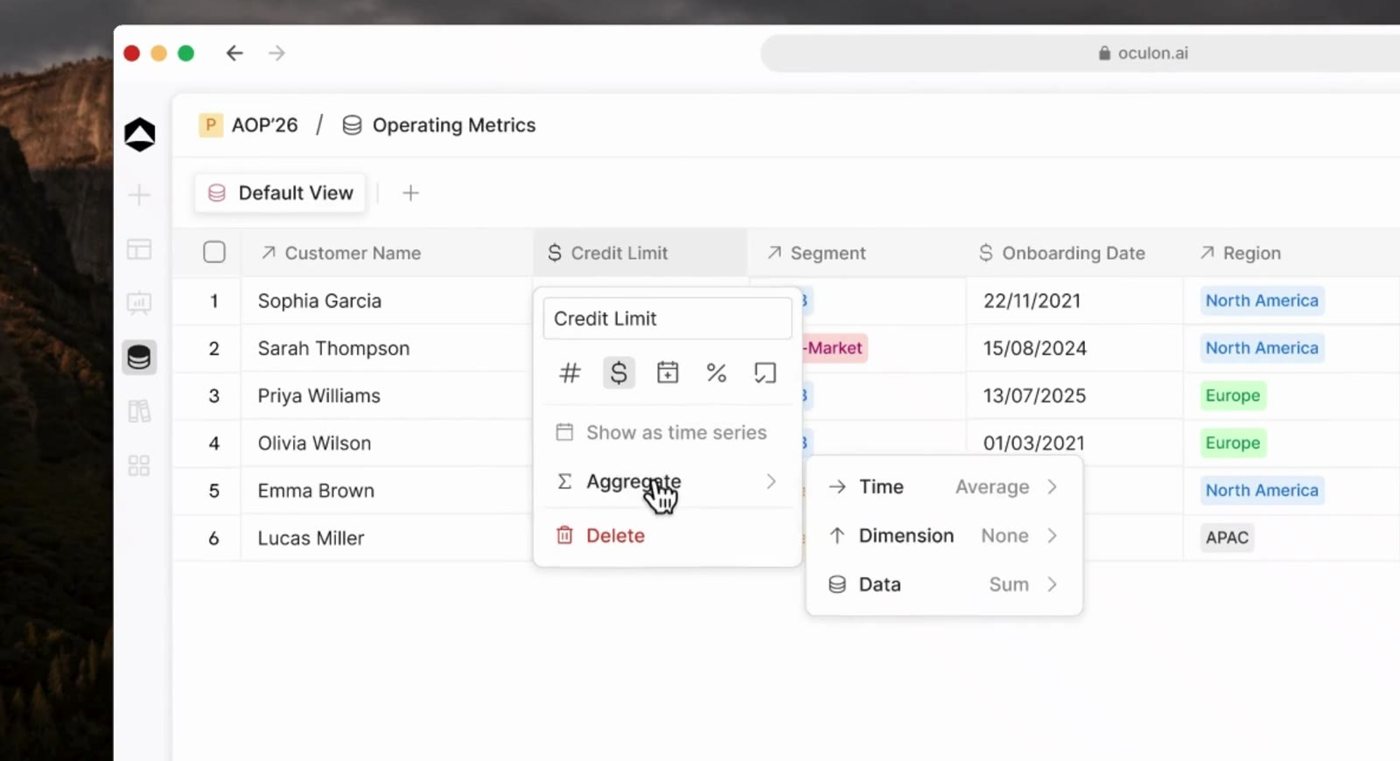
Business drivers
Follow the movement
Review cost categories, departments, and model drivers behind the difference.
Explore financial models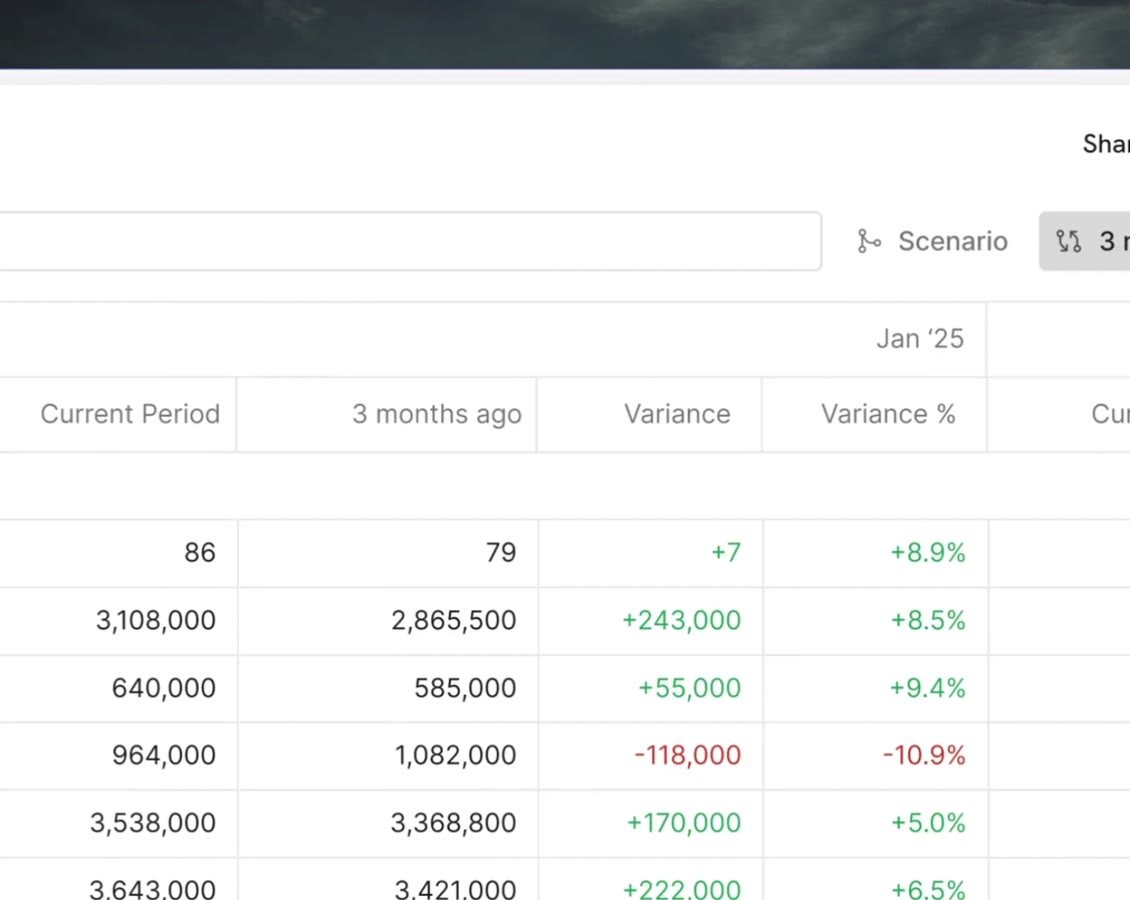
Planning choices
Close the loop
Connect the explanation to an owner, an action, and the next forecast.
Explore scenarios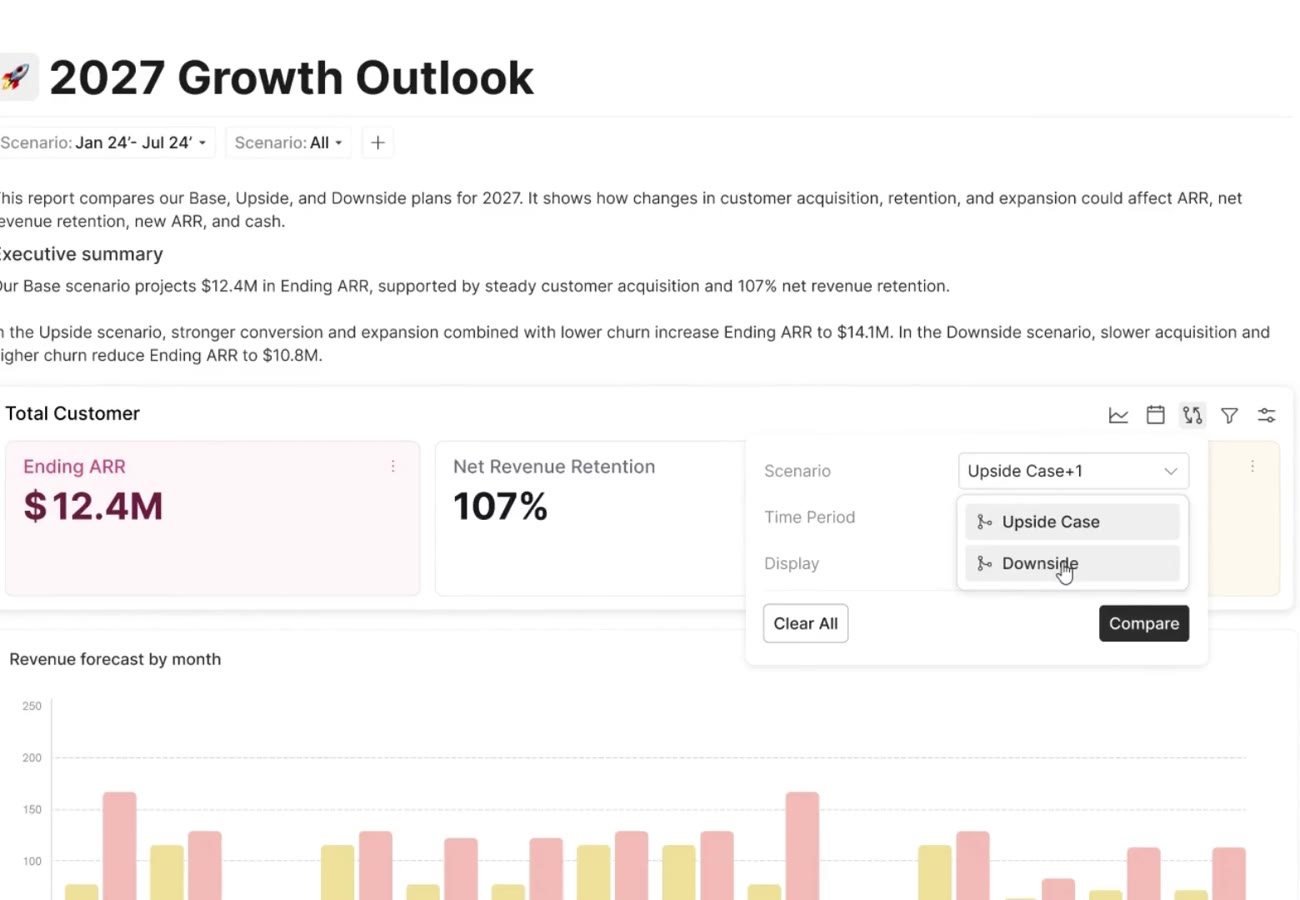
Shared review
Update deliberately
Ask the people and engineering owners whether the movement is timing or recurring before revising the remaining-year cost assumptions.
Explore shared boards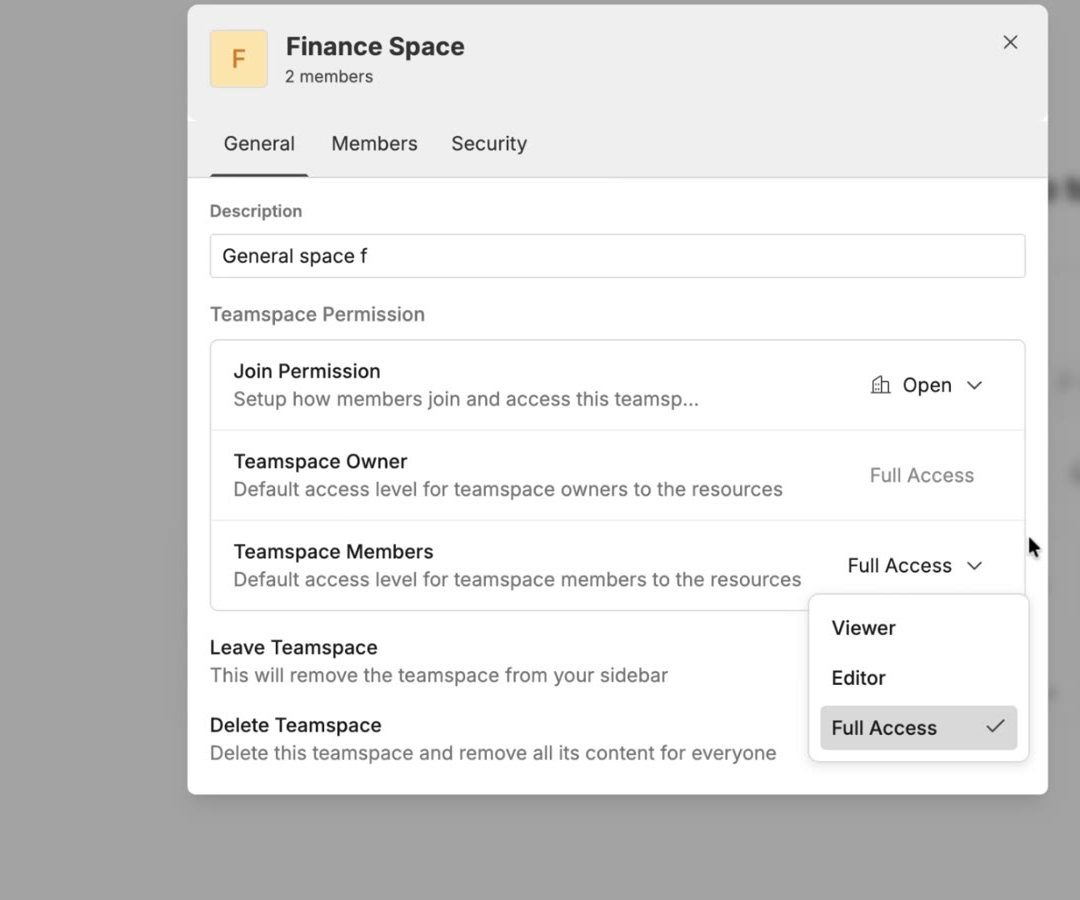
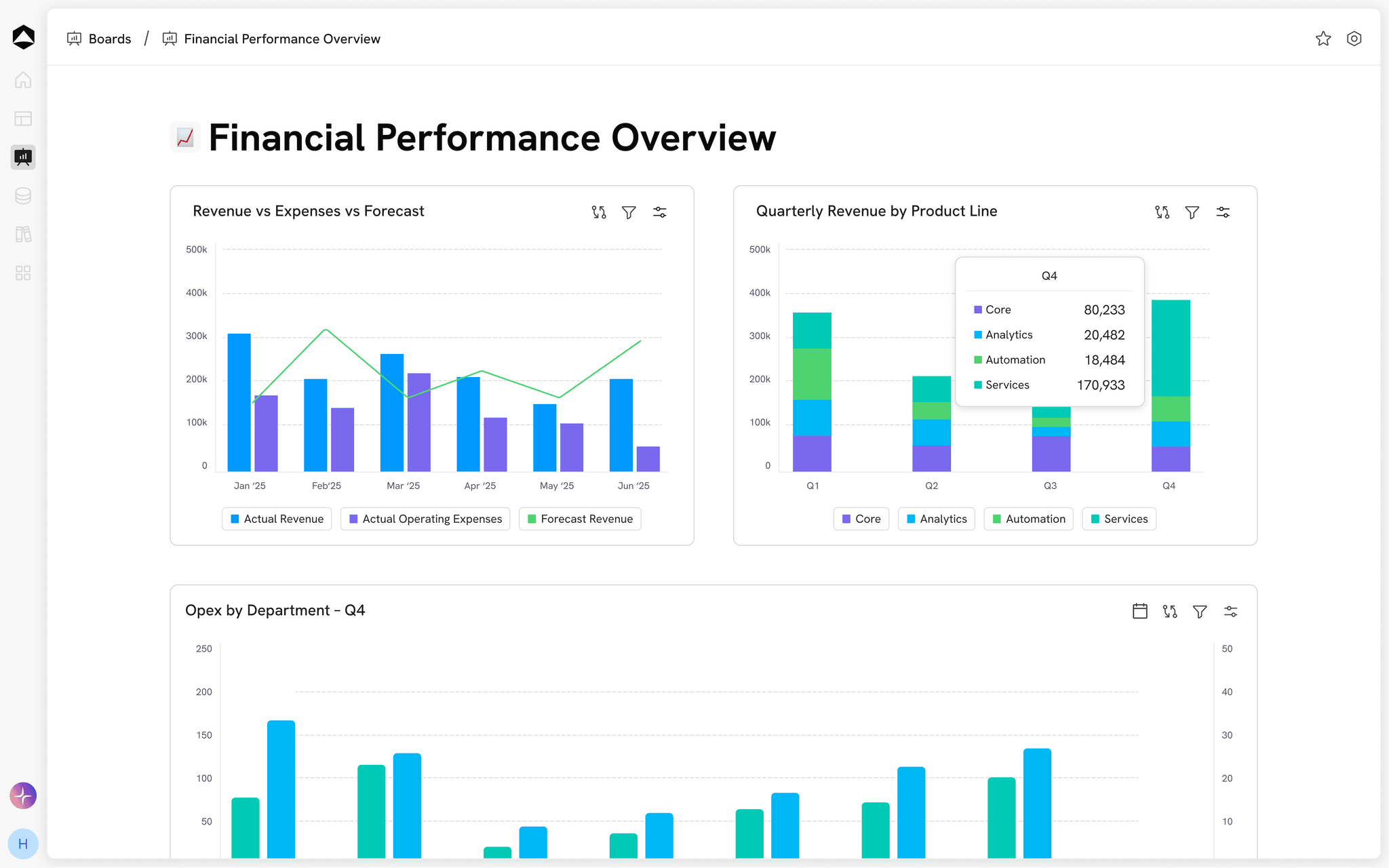
One connected financial picture
Which costs explain the $140K gap to budget?
Ask the people and engineering owners whether the movement is timing or recurring before revising the remaining-year cost assumptions.
Explore the monthly variance review example
Cost variance = actual − budget. A positive amount means more spend, not better performance.
September 2026 · monthly close · Illustrative dataEXPLORE THE DECISION
Which costs explain the $140K gap to budget?
Cost variance bridge
$ thousandsScroll for the full comparison
Inspect the model inputs3 model lines
| Cost category | Budget | Actual | Variance |
|---|---|---|---|
| $800K | $870K | +$70K | |
| $250K | $295K | +$45K | |
| $150K | $175K | +$25K |
Scroll to inspect all columns
The bridge identifies contributions. Earlier starts and cloud usage are hypotheses to check against supporting records, not proven root causes.
A little more context
Questions about Budget vs Actuals.
Does every variance require a new forecast?
No. Separate timing effects and one-off items from changes to the underlying outlook. The model context helps the team decide whether to revise an assumption or keep monitoring it.
Does a cost bridge prove the root cause?
No. It reconciles the categories contributing to the difference. Payroll dates, usage records, invoices, and owner explanations are needed to establish why those costs changed.
What should we agree before comparing plans?
Cost variance = actual − budget. A positive amount means more spend, not better performance.
Where can we find a starting model?
Explore templates for planning, revenue, cash, headcount and reporting. Adapt the assumptions and structure to your business, and agree access with the people who will review the work.
Explore templates