Use cases · Oculon for Multi-entity Planning
Multi-entity PlanningKeep local plans clear in the company view.
Compare entity assumptions without losing the local currency or reporting-rate context. Understand the planning movement before interpreting a consolidated total.
The decision behind the work
Keep the local context behind the company view.
For Multi-entity finance teams.
Retain local ownership
Keep the entity, currency, and local revenue assumption visible.
Show the rate basis
Separate business movement from reporting-rate movement with an explicit rate date and source.
Review the reporting scope
Distinguish a planning sum from eliminations, adjustments, and statutory reporting.
From context to the next move
Put the plan to work.
Keep the inputs, model and review connected around the work in front of you.
Connected inputs
Plan with shared definitions
Bring entity, period, and reporting dimensions into a consistent model.
Explore connected data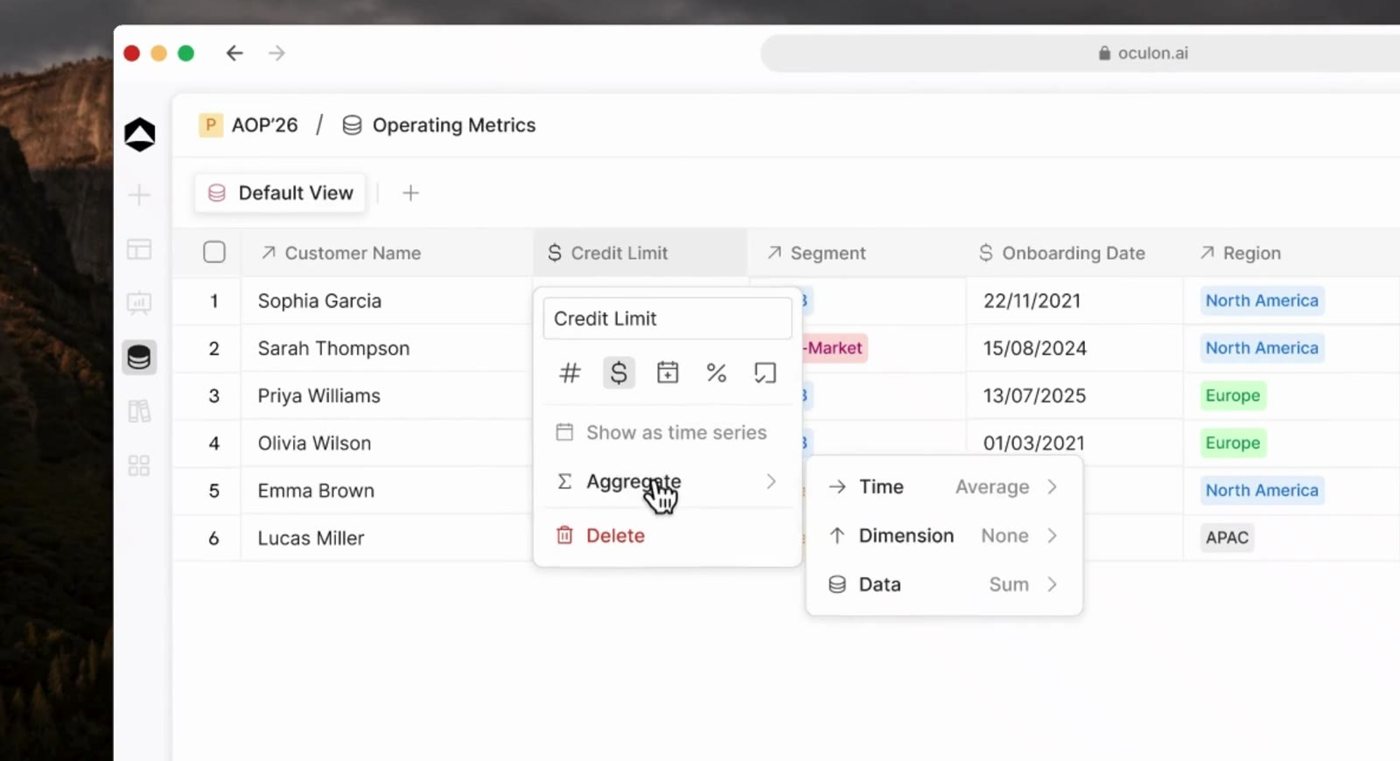
Business drivers
Keep currency assumptions clear
Review local and reporting values with explicit conversion context.
Explore financial models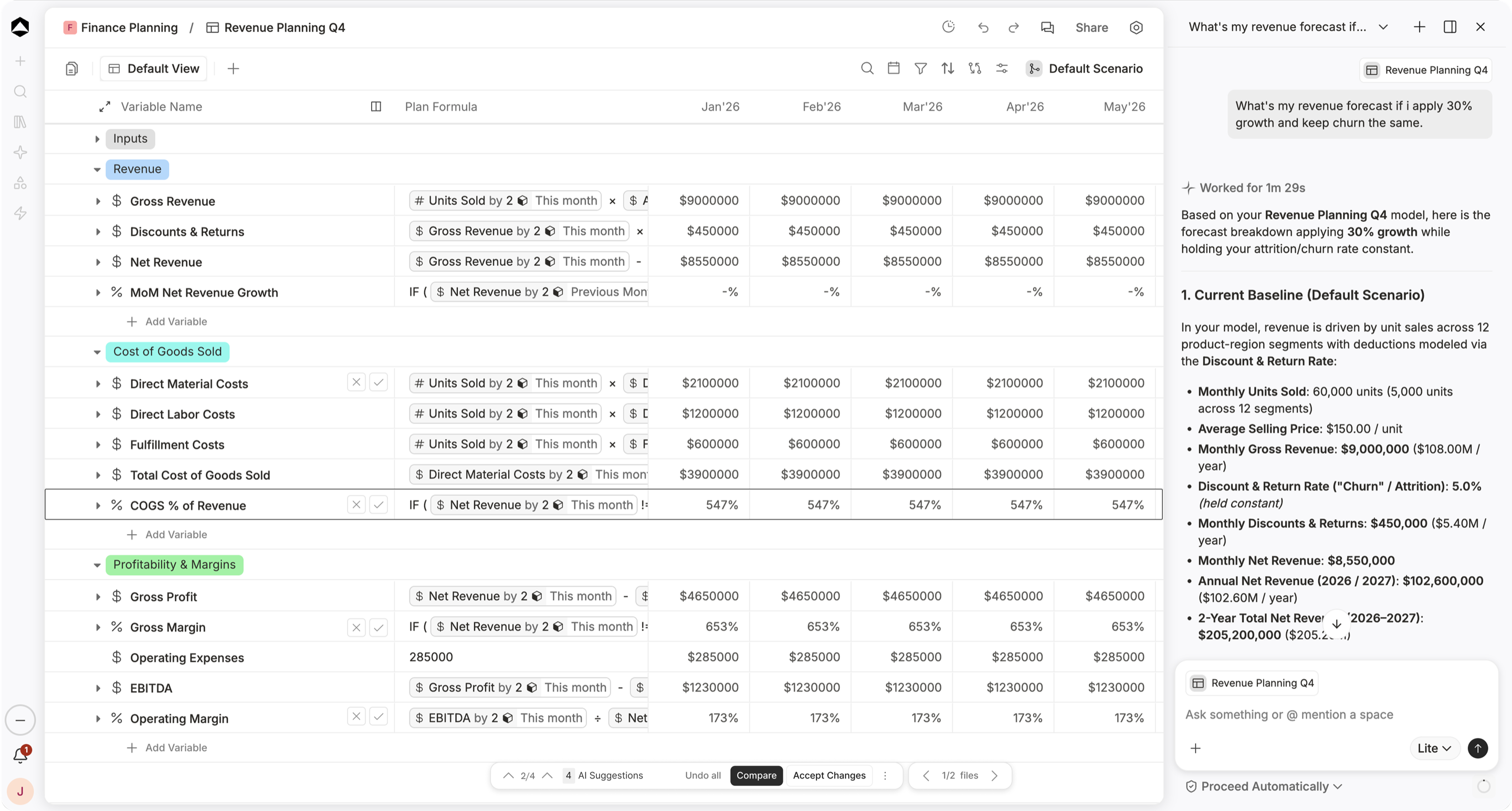
Planning choices
Bring owners into the review
Discuss entity plans with the people responsible for their inputs.
Explore scenarios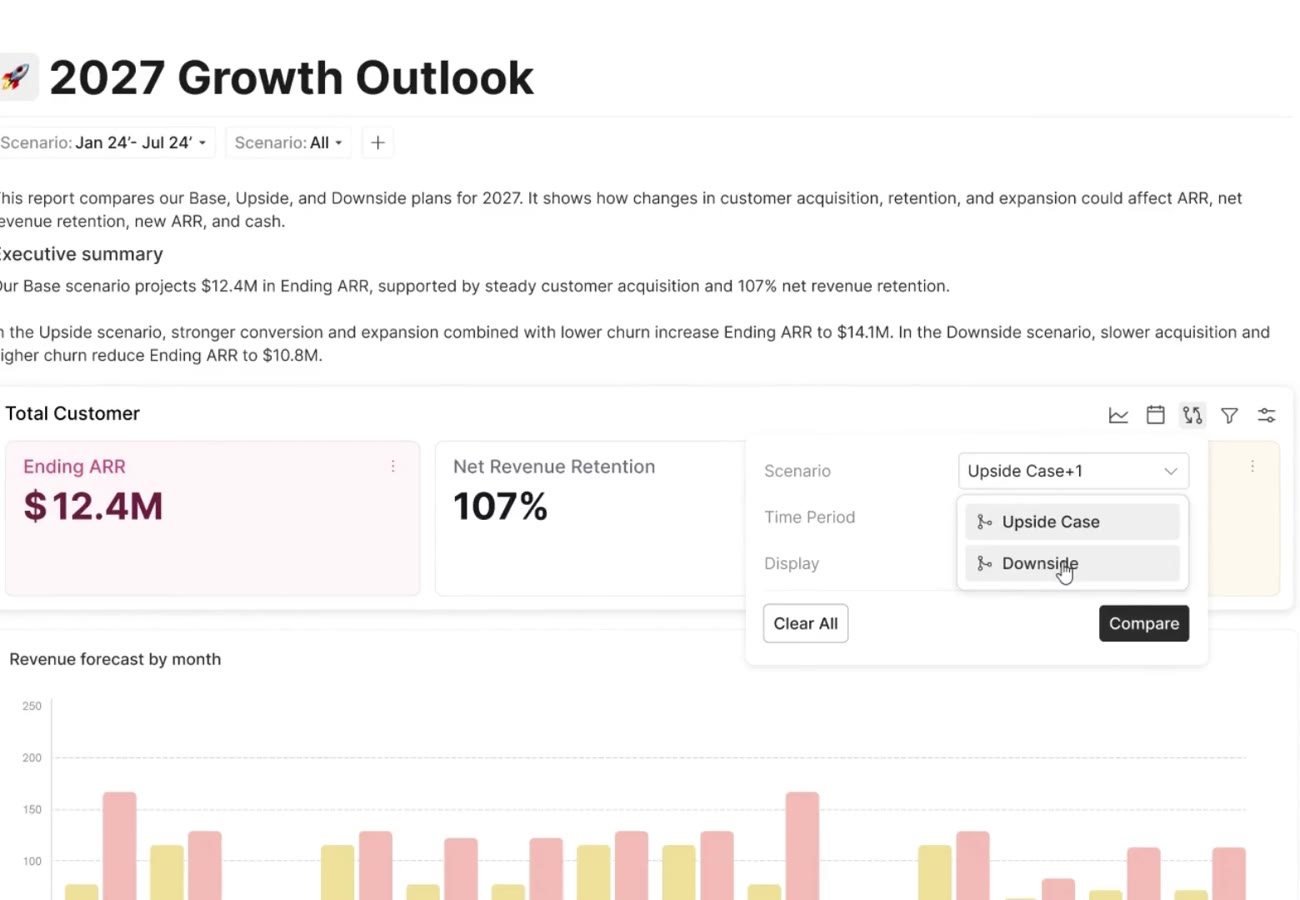
Shared review
Review the reporting scope
Agree rate source, date, local ownership, and reporting requirements before treating the planning total as a statutory consolidation.
Explore shared boards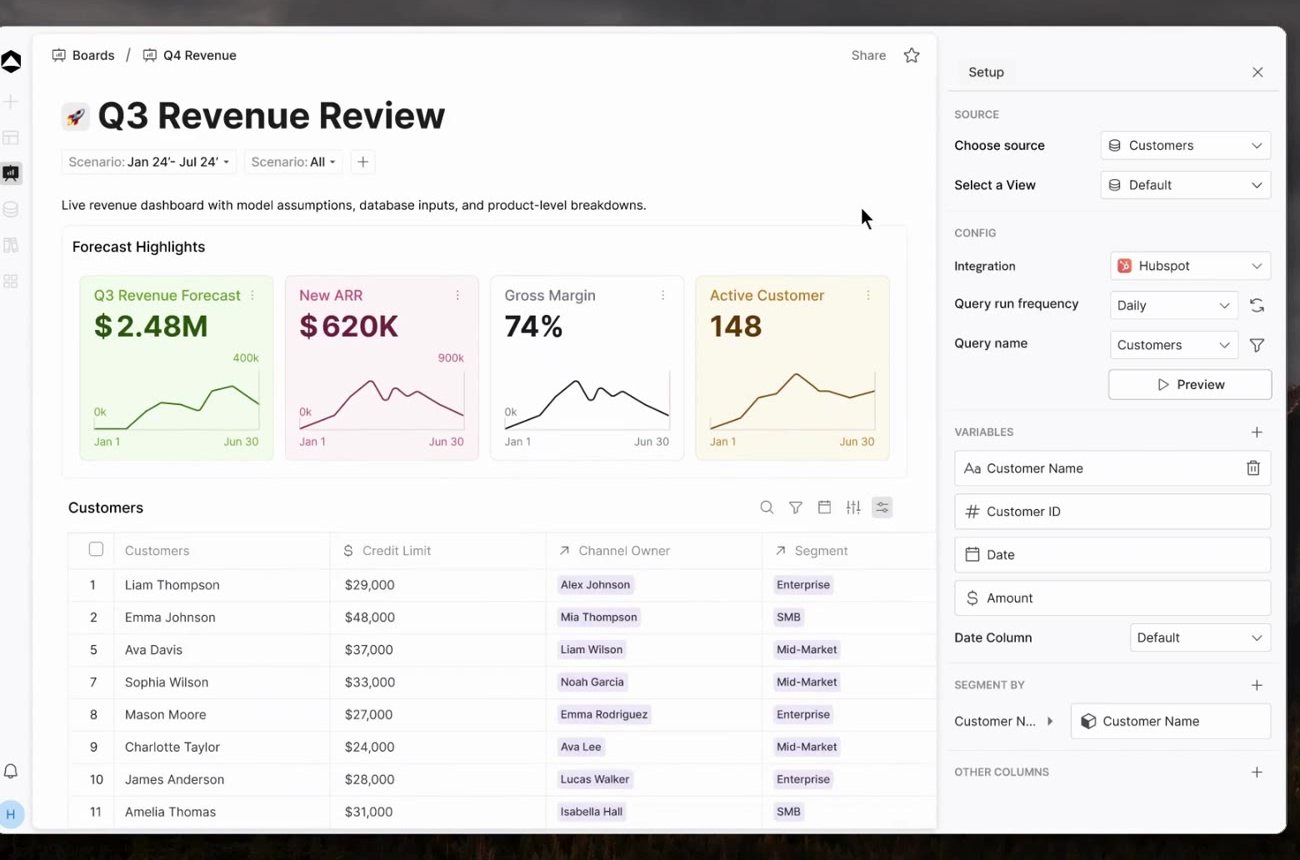
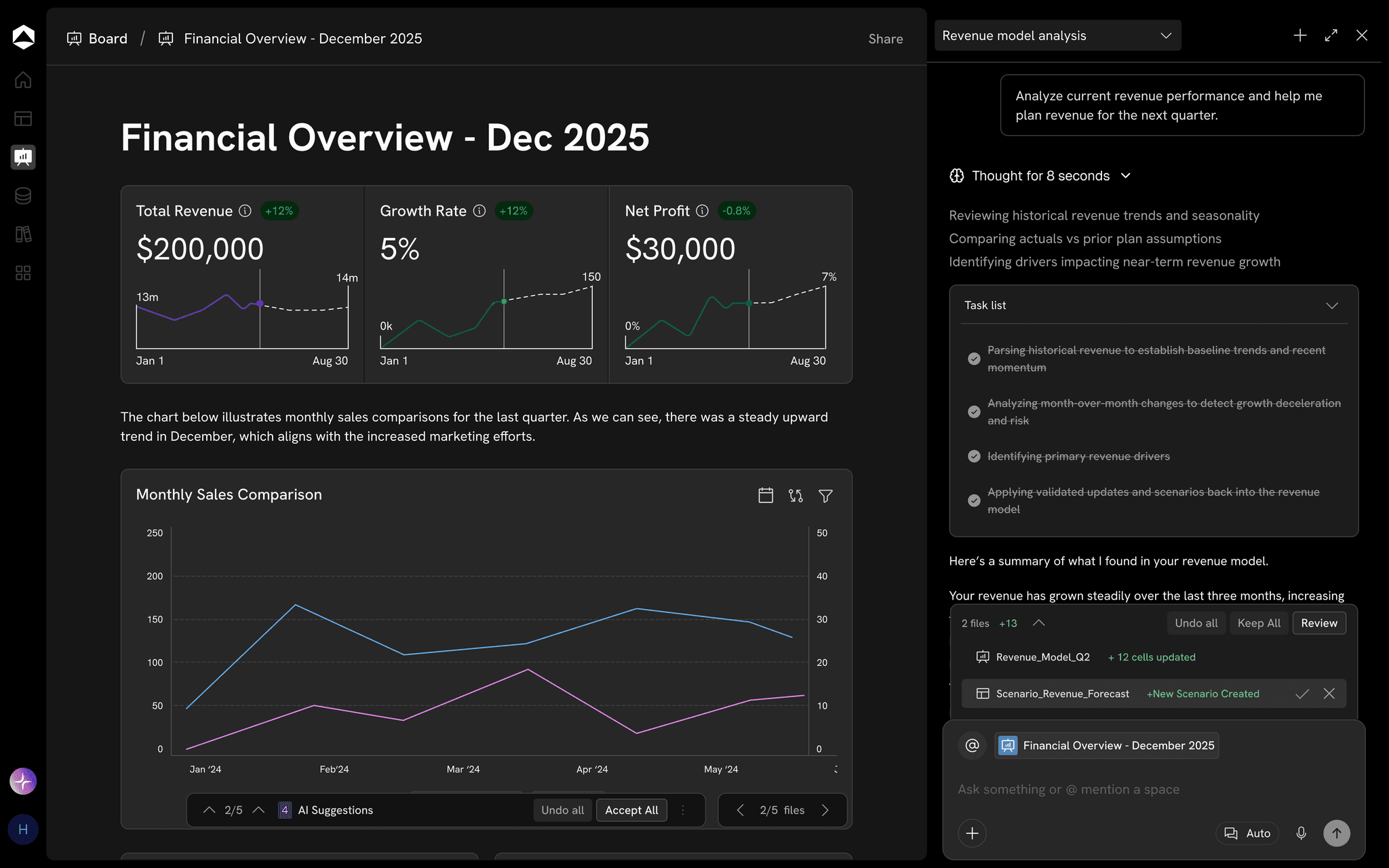
One connected financial picture
Why does the USD view fall when local revenue is unchanged?
Agree rate source, date, local ownership, and reporting requirements before treating the planning total as a statutory consolidation.
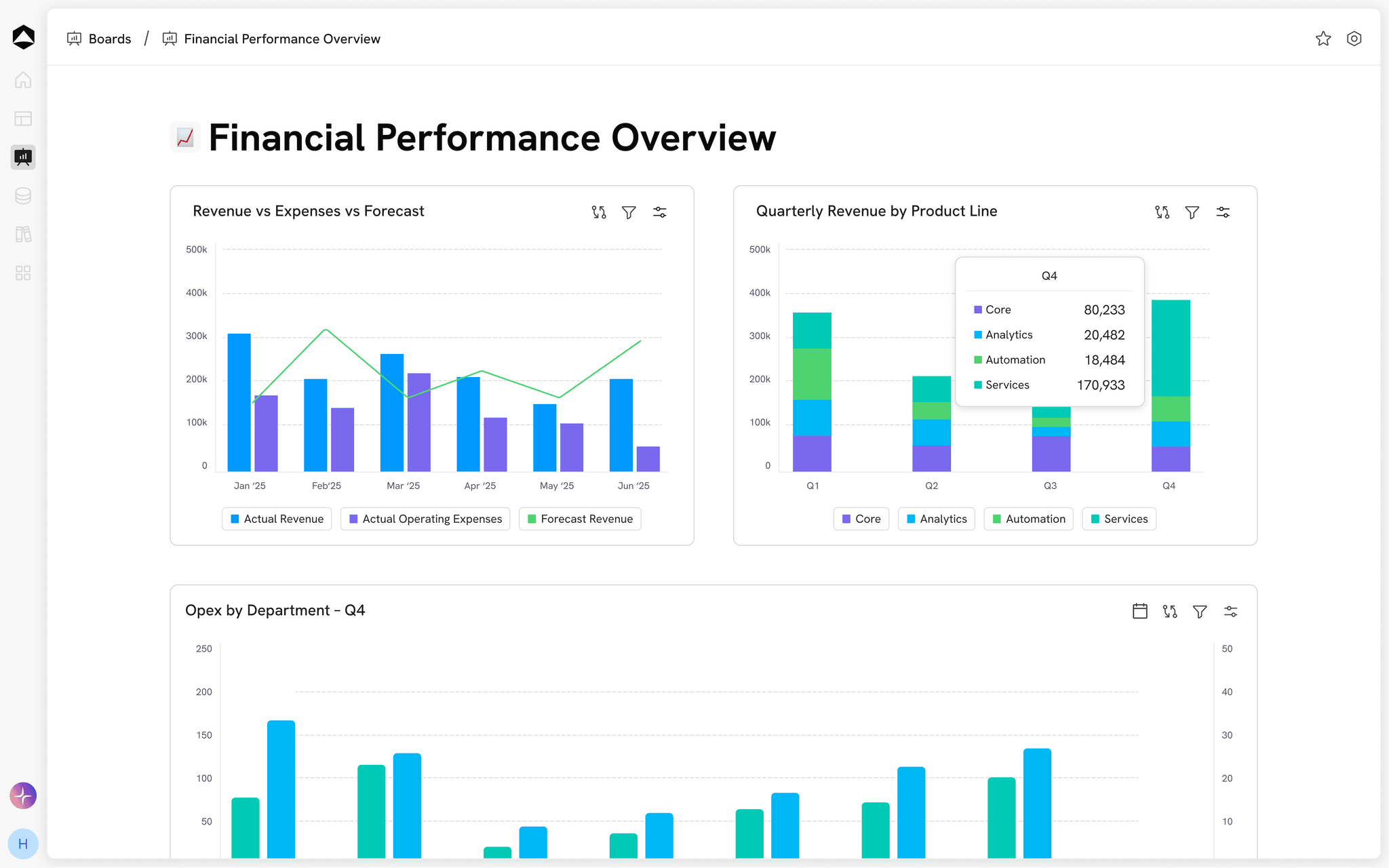
Explore the entity planning view example
Reporting revenue = local revenue × USD per local-currency unit. The group planning view sums the three converted revenues.
FY 2026 · illustrative planning rates · Illustrative dataEXPLORE THE DECISION
Why does the USD view fall when local revenue is unchanged?
Entity revenue in the reporting currency
USD millions · sample conversionManually assumed rates · no intercompany eliminations
Inspect the model inputs3 model lines
| Entity | Local revenue | USD conversion | Reporting revenue |
|---|---|---|---|
| $4.20M | 1.00 | $4.20M | |
| €2.00M | 1.10 | $2.20M | |
| £1.00M | 1.25 | $1.25M |
Scroll to inspect all columns
The rates are illustrative assumptions, not live FX quotes. Automatic currency conversion is planned in the current roadmap. Intercompany eliminations and statutory adjustments are excluded.
A little more context
Questions about Multi-entity Planning.
Does the example represent statutory consolidation?
The example shows a planning view with explicit currency conversion. Discuss intercompany eliminations, consolidation adjustments, reporting standards, and currency treatment with the Oculon team for your workflow.
Does this page demonstrate automatic FX or statutory consolidation?
No. It shows a manually assumed planning comparison. Automatic currency conversion is listed as planned in the current roadmap. Discuss current currency handling, eliminations, reporting standards, and consolidation requirements with the team.
What should we agree before comparing plans?
Reporting revenue = local revenue × USD per local-currency unit. The group planning view sums the three converted revenues.
Where can we find a starting model?
Explore templates for planning, revenue, cash, headcount and reporting. Adapt the assumptions and structure to your business, and agree access with the people who will review the work.
Explore templates